
Why the Next Zelda Game Should Shrink Its Map and Bring Back Legendary Dungeons
After Tears of the Kingdom's map bloat, the next Zelda should embrace labyrinthine dungeons over endless open world.
Let’s face it—since Tears of the Kingdom dropped back in 2023 and I sunk over 150 hours into its sprawling Hyrule, I’ve had a love-hate relationship with the sheer size of it all. Fast forward to 2026, and the buzz around the next Legend of Zelda is reaching fever pitch. As a diehard fan who’s been chasing Cuccos since the N64 days, I’m itching to see where Nintendo takes us next. But after living with both Breath of the Wild and its brainy sequel for years now, I’ve got a hot take that might ruffle a few Hylian feathers: the next adventure needs to pump the brakes on map bloat and instead funnel all that creative energy into massive, labyrinthine dungeons that feel like a proper homecoming to the series’ roots. Here’s why I think it’s time to rein in the open-world excess and let temples steal the show again.
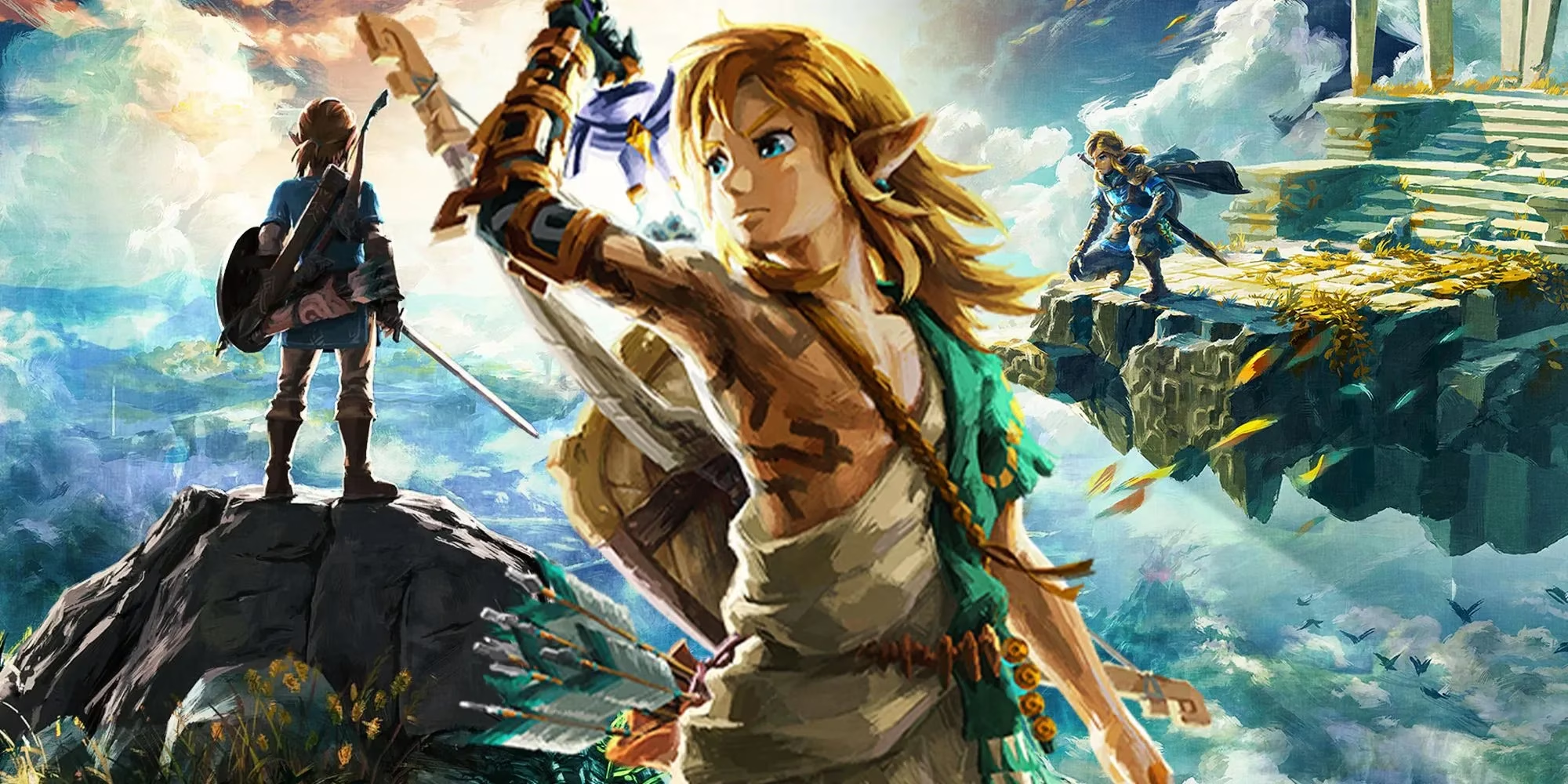
I’ll be real—riding through the plains of Hyrule on my trusty steed, stumbling upon a hidden Korok or a random enemy camp, gave me those first-time feels that felt like pure magic. But once the novelty wore off, the cracks started showing. Huge chunks of the map are basically glorified walking simulators. Sure, you can forage for mushrooms, hunt some Bokoblins for fusion materials, or help Addison prop up yet another sign, but let’s be honest—those stretches of nothingness rarely pulled their weight storytelling-wise. They felt like filler, not flavor. The massive scale meant I spent more time taming horses and fast-traveling between Skyview Towers than actually getting sucked into a compelling narrative thread. The game became a beautiful, sun-drenched grocery run, and that’s not the epic quest I signed up for.
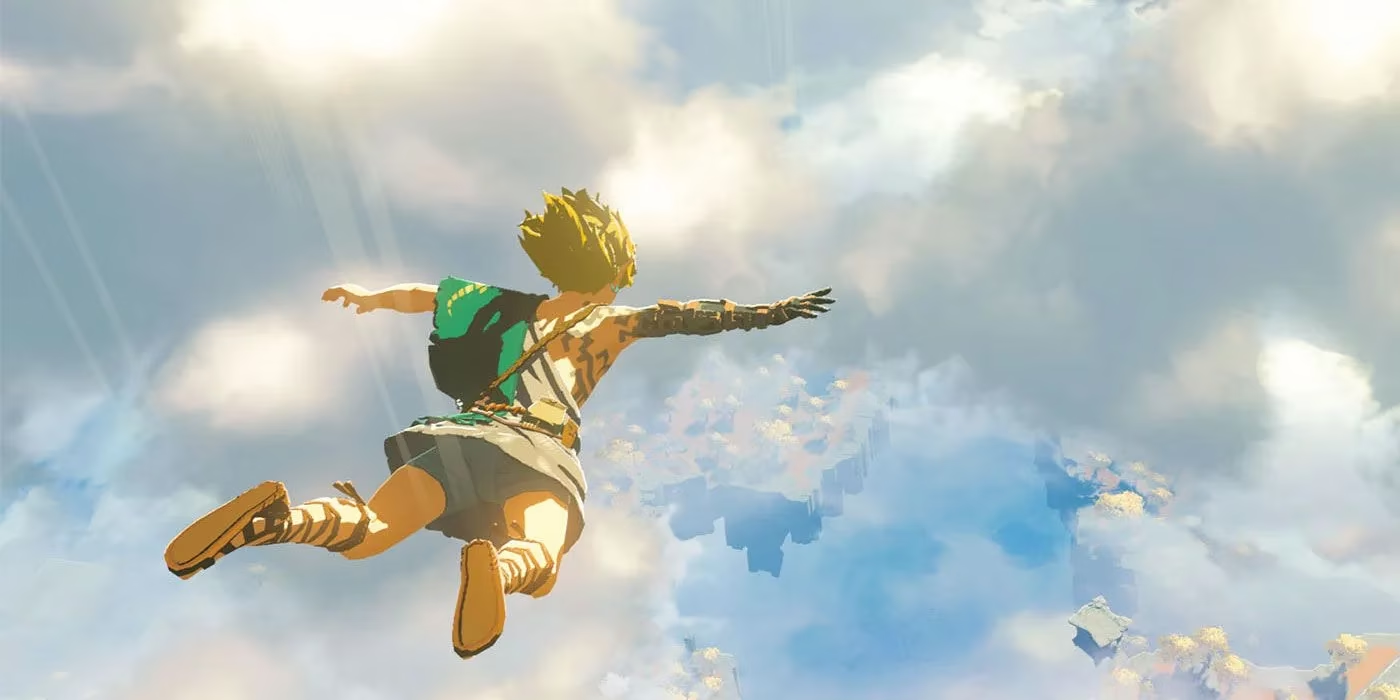
Where Tears of the Kingdom really hit the nail on the head—and also fumbled the ball—was in its approach to dungeons. Don’t get me wrong, the Wind and Lightning Temples had jaw-dropping moments, and the layered puzzle-solving was a step up from the bite-sized Divine Beasts. But they were still more like compact challenge rooms than the sprawling, disorienting labyrinths I remember from Ocarina of Time or Twilight Princess. Those classic dungeons had me consulting a map and compass like a lost tourist, backtracking through twisting corridors, and feeling genuine dread at the thought of a locked door. The newer temples wrap up just when you’re starting to get into the groove. It’s like ordering a gourmet meal and only getting an appetizer—delicious, but deeply unsatisfying. The solution? Give dungeons the real estate they deserve by carving it right out of the overworld’s fat. A semi-open-world structure, where the space between towns and story beats is tighter, could free up massive development resources to craft multi-tiered, puzzle-dense temples that take hours to crack—complete with iconic mini-bosses and items that change how you explore, not just abilities handed over by a sage.
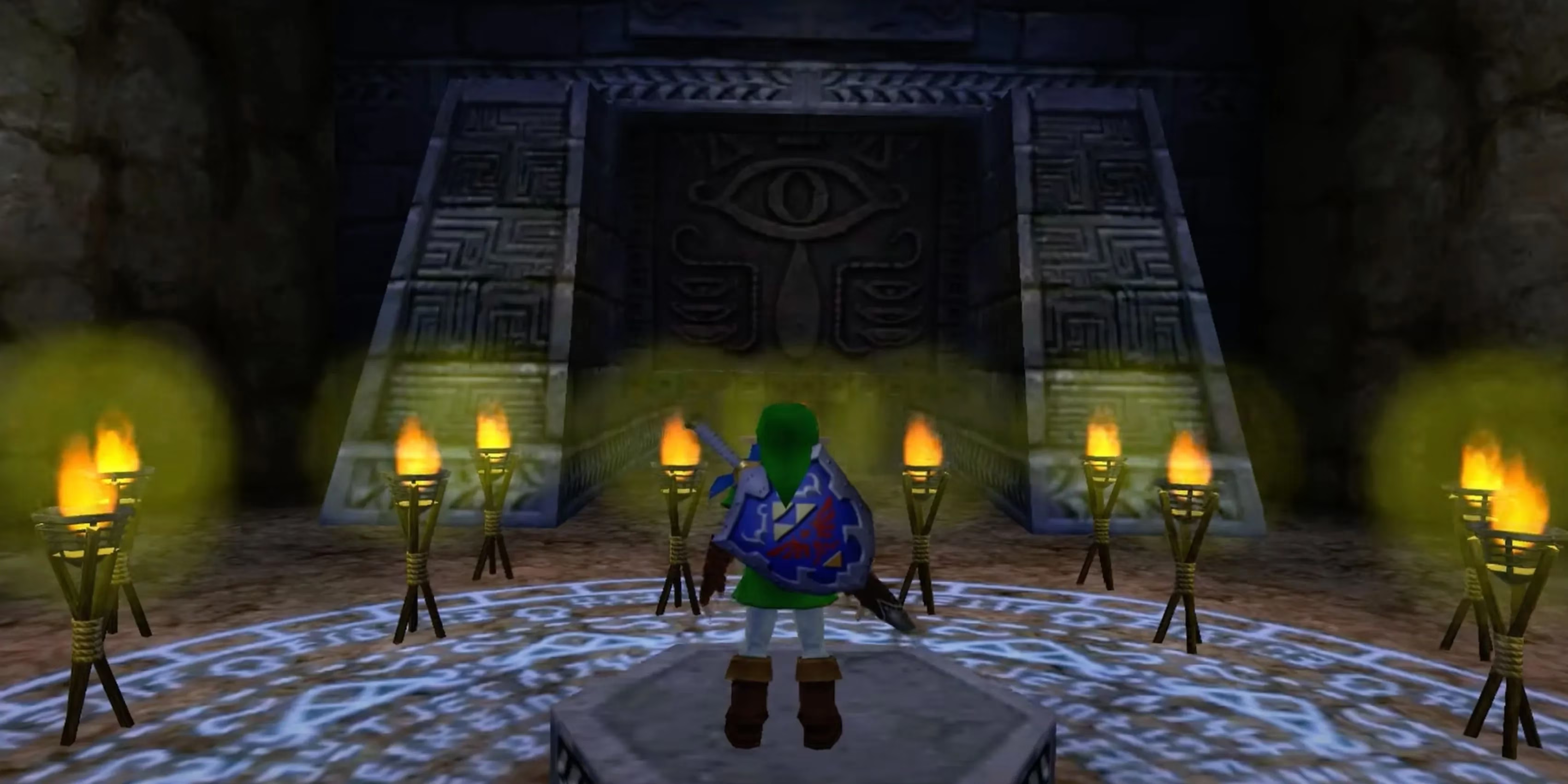
The beauty of going all-in on dungeons is that it brings back the narrative heft that Breath of the Wild and Tears of the Kingdom sometimes lost in their sandbox shuffle. Historically, temples weren’t just obstacle courses—they were the beating heart of Link’s growth and the lore. Unearthing a sacred treasure like the Hookshot or the Mirror Shield inside a crumbling, trap-ridden ruin felt like earning a piece of the legend yourself. In TOTK, the closest I got was finding a rusty sword to fuse a boulder onto, which is cool in a MacGyver way, but lacks that soul-stirring moment of discovery. If the next Zelda leans into making dungeons enormous, dangerous, and rich with secrets, it’ll naturally dial up the survival elements and puzzle depth. Imagine a forest temple so vast you have to map it out piece by piece, with shifting rooms that genuinely make you panic. That’s the kind of controlled chaos that a smaller overworld enables—quality over quantity, baby.
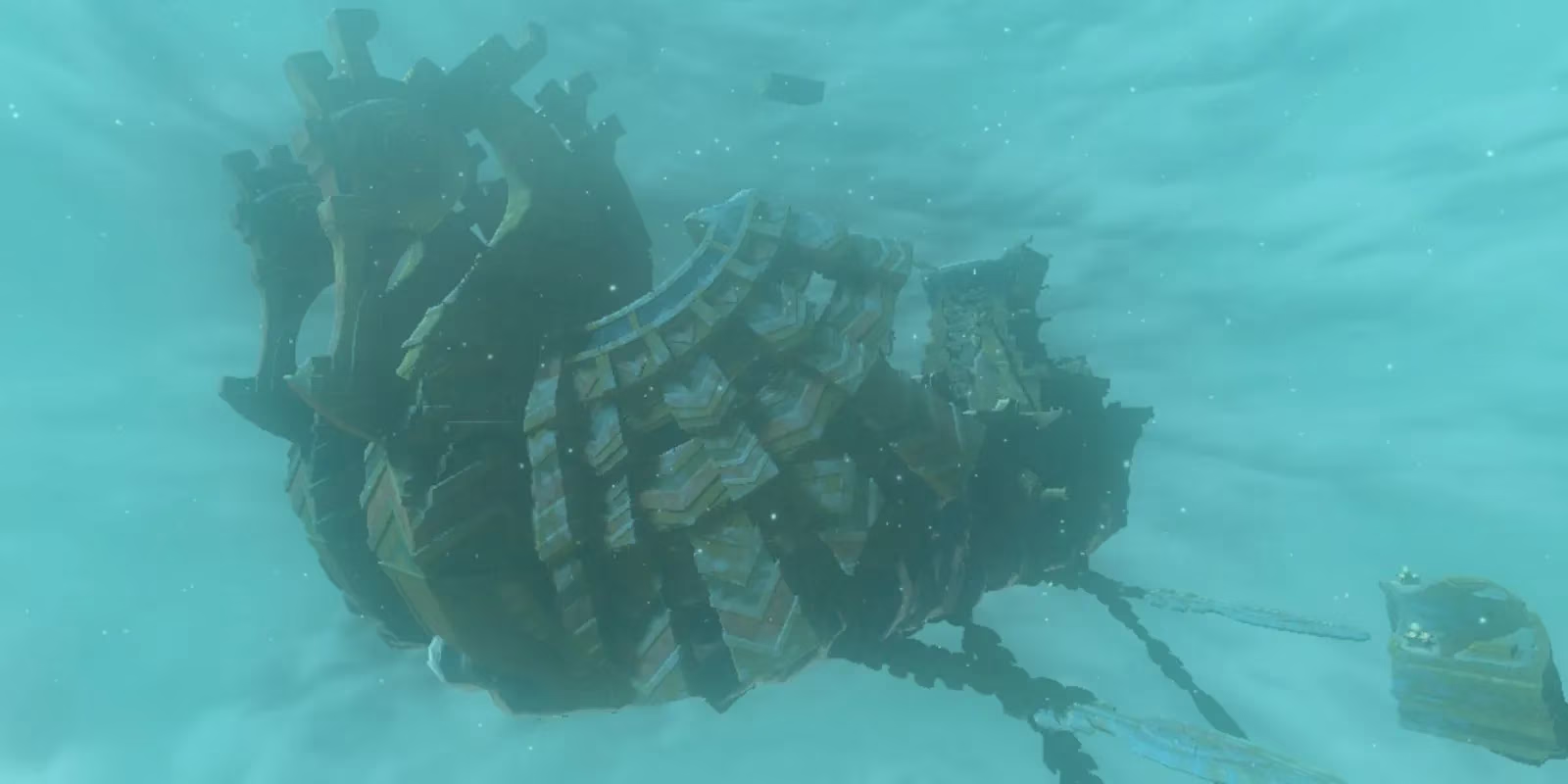
Let’s talk about the three-layer map elephant in the room. Tears of the Kingdom served us the Surface, the Sky Islands, and the Depths, and frankly, the Depths were overkill. At first, plunging into that pitch-black abyss sent chills down my spine, but after a few hours of farming Zonaite and fighting the same Gloom-spawned enemies, it got repetitive faster than you can say “Break Master Sword.” The Sky Islands, while airy and delightful, were often little more than postage stamps floating in the blue. If Nintendo took a step back and focused on one truly cohesive map—dense, interconnected, and full of character—they could pour those extra months of development into dungeons that feel alive, not just like themed stages. A leaner, meaner Hyrule that still keeps that sense of wonder without the empty calories? Sign me up.
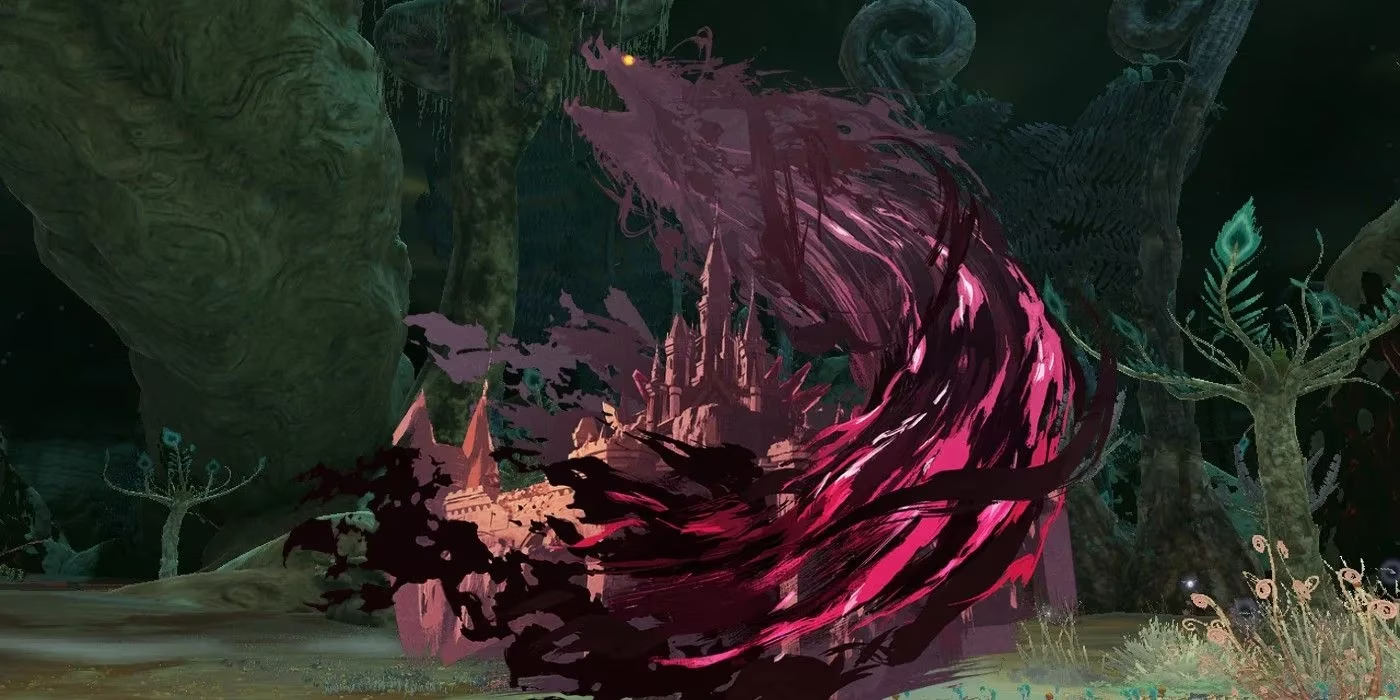
What really gives me hope is that Nintendo has already confirmed the open-air philosophy is here to stay, but they’ve also shown they’re not afraid to iterate. With no DLC planned for TOTK, the Zelda team can go full steam ahead on refining what worked and tossing what didn’t. Picture this: a semi-open Hyrule where the space between villages serves a purpose—maybe a dense forest you have to navigate to reach a forgotten temple, or a mountain pass that opens only after you’ve conquered the Fire Sanctuary within. The exploration still slaps, but every horizon leads to a meaningful dungeon crawl instead of another endlessly respawning monster camp. I’m talking temples so intricate that the community swaps hand-drawn maps online again, like the good old days. The next Legend of Zelda has the chance to strike a perfect balance—big enough to get lost in, small enough to make every inch matter. And if that means I finally get a Water Temple that haunts my dreams for weeks? I’m all in. Here’s hoping Link’s 2026 adventure trades sky-high ambiguity for deep-down dungeon mastery. The Master Sword is ready—my nostalgia, even more so.