
How Golden Birds Could Revolutionize Exploration in a Tears of the Kingdom Sequel
Discover hidden treasures in Zelda's Tears of the Kingdom with innovative guidance inspired by Ghost of Tsushima's ethereal guides, enhancing exploration without sacrificing magic.
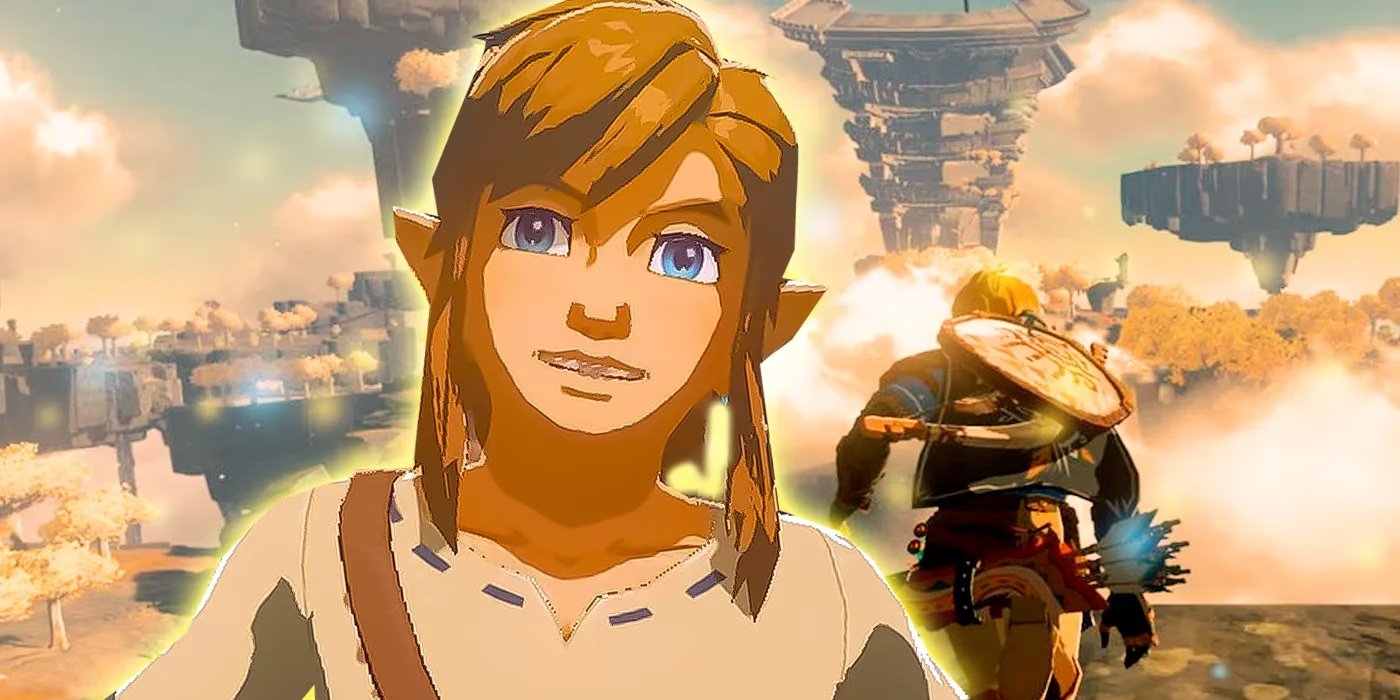
Imagine soaring through the skies of Hyrule, exploring vast underground depths, and navigating the familiar yet expanded landscape—all while a subtle golden guide helps uncover hidden treasures. The Legend of Zelda: Tears of the Kingdom took the gaming world by storm in 2023, building upon Breath of the Wild's foundation with innovative mechanics like Ultrahand and Ascend. Yet, as we look toward 2025 and beyond, players wonder: could a sequel benefit from borrowing one of gaming's most elegant exploration tools?
The Exploration Challenge in Tears of the Kingdom
Tears of the Kingdom expanded Hyrule dramatically with two massive new areas: the sky islands floating above and the mysterious depths below. While this tripled the exploration opportunities, it also created navigation challenges that sometimes overwhelmed players. The game's organic exploration system—where points of interest naturally appear in sightlines—works beautifully for many, but what about those who prefer more guidance?
Key exploration challenges in TOTK:
-
Overwhelming scale with three distinct layers to explore
-
Hidden shrines, caves, and treasures easily missed
-
No built-in guidance system beyond player curiosity
-
Heavy reliance on external guides for completionists
Ghost of Tsushima's Golden Birds: A Perfect Template
The solution might lie in a mechanic perfected by another open-world masterpiece: Ghost of Tsushima's golden birds. These ethereal guides don't force players along a predetermined path but instead offer gentle direction toward points of interest. When followed, they lead to hidden hot springs, secret armor sets, or compelling side quests—always optional, always rewarding.
Why would this work so well in a Zelda sequel? 🤔
| Feature | Current TOTK System | Golden Bird System |
|---|---|---|
| Guidance | Visual cues in environment | Active, movable guides |
| Player Choice | Explore organically | Choose to follow or ignore |
| Discovery Pace | Sometimes slow | More directed when desired |
| Immersion | High | Equally high |
Preserving TOTK's Exploration Magic While Adding Guidance
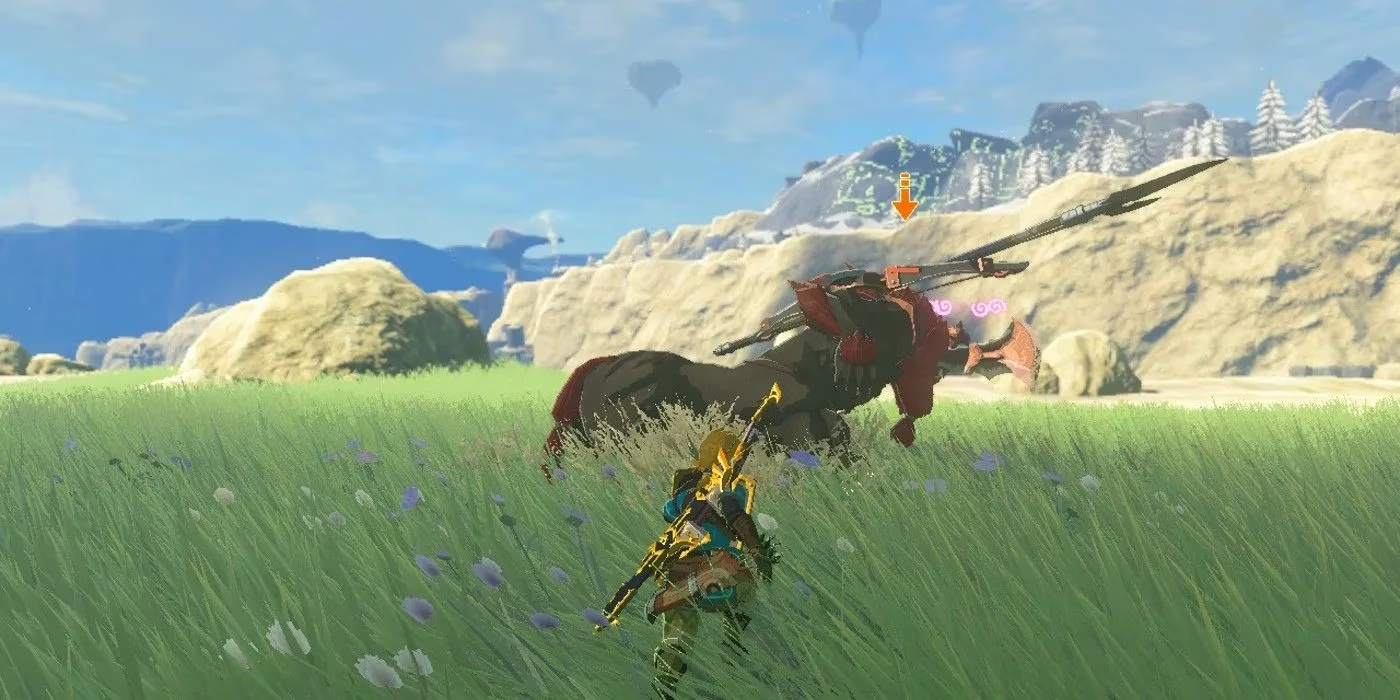
Critics might argue that adding guidance systems contradicts Nintendo's philosophy of organic discovery. After all, part of Tears of the Kingdom's magic comes from stumbling upon unexpected wonders—a hidden Korok forest, an ancient Zonai ruin, or a spectacular vista. But would golden birds truly undermine this experience?
Consider how they function in practice:
-
Non-intrusive: Birds appear intermittently, not constantly
-
Optional: Players can completely ignore them
-
Catalytic: Following one discovery often leads to organic others
-
Respectful: They don't reveal everything, just point toward possibilities
In fact, golden birds could enhance the very exploration philosophy Nintendo champions. Rather than replacing the "see something interesting in the distance" approach, they could complement it by ensuring players don't miss equally rewarding content that might be less visually prominent.
Making Guidance Optional: The Best of Both Worlds
The perfect implementation would make golden birds a toggleable feature—an "exploration assist" mode that players could enable or disable based on their preferences. This approach has become increasingly common in modern gaming, acknowledging that different players have different needs and playstyles.
How an optional system could work:
-
🔧 Settings menu toggle for "Exploration Guidance"
-
️ Adjustable frequency of golden bird appearances
-
🏆 No penalty for using or not using the feature
-
🔄 Ability to turn on/off at any time during gameplay
The Future of Zelda Exploration
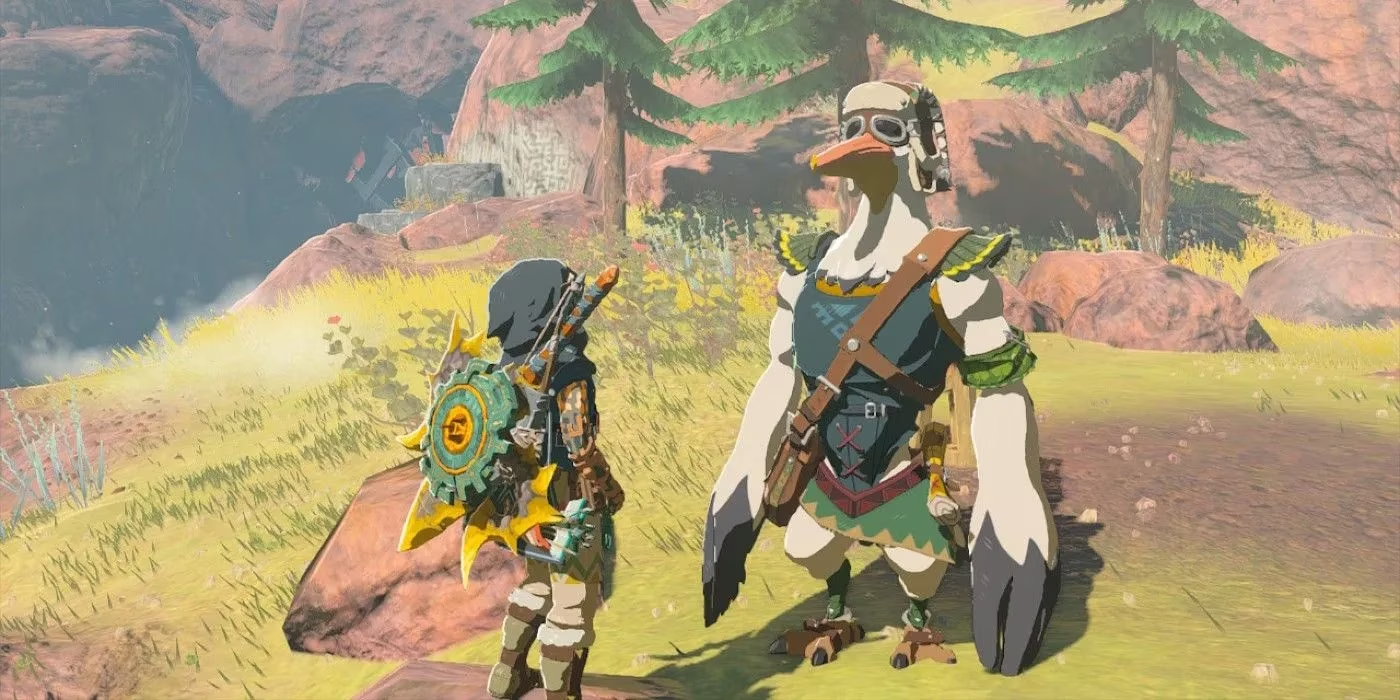
As we look toward potential sequels, the question isn't whether Tears of the Kingdom needs fixing—it's arguably one of the greatest games ever made. The real question is how Nintendo can continue innovating while making the experience accessible to an even wider audience.
Golden birds represent more than just a navigation tool; they symbolize a philosophy of player choice. In an era where games increasingly offer difficulty options, accessibility features, and customizable experiences, why should exploration be any different?
What makes this mechanic particularly timely for 2025?
-
Players have grown accustomed to smart guidance systems
-
Open-world games continue to increase in scale and complexity
-
The gaming audience continues to diversify in skill and preference
-
Optional features have become industry standards rather than exceptions
Ultimately, the inclusion of golden bird-like guides in a Tears of the Kingdom sequel wouldn't diminish what makes Zelda exploration special. Instead, it would honor Nintendo's commitment to player freedom by offering more ways to experience Hyrule's wonders. Whether you're a completionist wanting to find every secret or a casual player looking for guided adventure, the golden birds could ensure everyone finds their perfect path through whatever magical world Nintendo creates next.
The Legend of Zelda has always been about discovery—both of external worlds and internal capabilities. What better way to continue this tradition than by giving players more choices in how they make those discoveries? 🌟